

Special investment incentives and support must be accompanied by tangible results
During discussions on the draft Law amending and supplementing several articles of the Investment Law, National Assembly deputies suggested the need to further refine investment incentives and support policies, focusing on key areas and measurable effectiveness. This is because attracting large corporations is only the first step; truly integrating Vietnamese businesses into global value chains is what creates long-term, ripple effects.
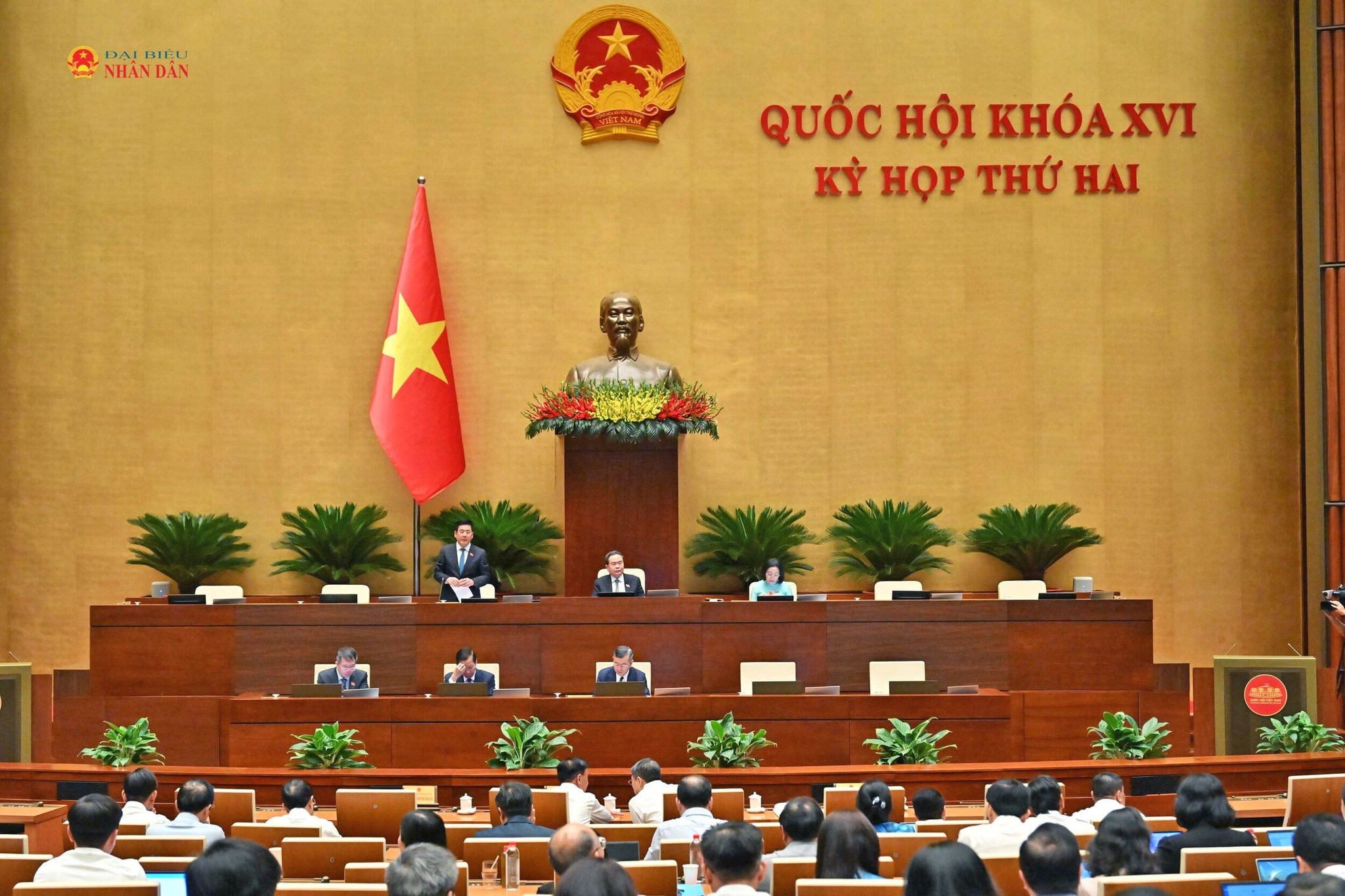
Incentives must be linked to the quality and commitment of the investor
The special investment incentives and support stipulated in Article 17 was one of the issues that many delegates were interested in. Taking into account the initial opinions of delegates during the group discussion session, the draft Law has limited the beneficiaries of special investment incentives and support to projects that meet requirements regarding capital scale, disbursement timeframe, and belong to fields such as high technology, strategic technology, innovation, semiconductors, data centers, international logistics, and energy storage.
Notably, the draft also stipulates that special incentives and support will be applied for a limited time, linked to the investor's fulfillment of commitments and a periodic reporting regime. If the investor fails to fully fulfill their commitments, the competent authority may revoke the incentives and support. At the same time, the effectiveness of investment activities will be evaluated based on actual efficiency, added value, and spillover effects.
While acknowledging this proposed revision, National Assembly Deputy Nguyen Ngoc Son (Hai Phong City) believes the draft still needs further refinement regarding the criteria for identifying eligible beneficiaries. According to the deputy, the capital scale and disbursement period are necessary conditions but do not fully reflect the quality of the project.
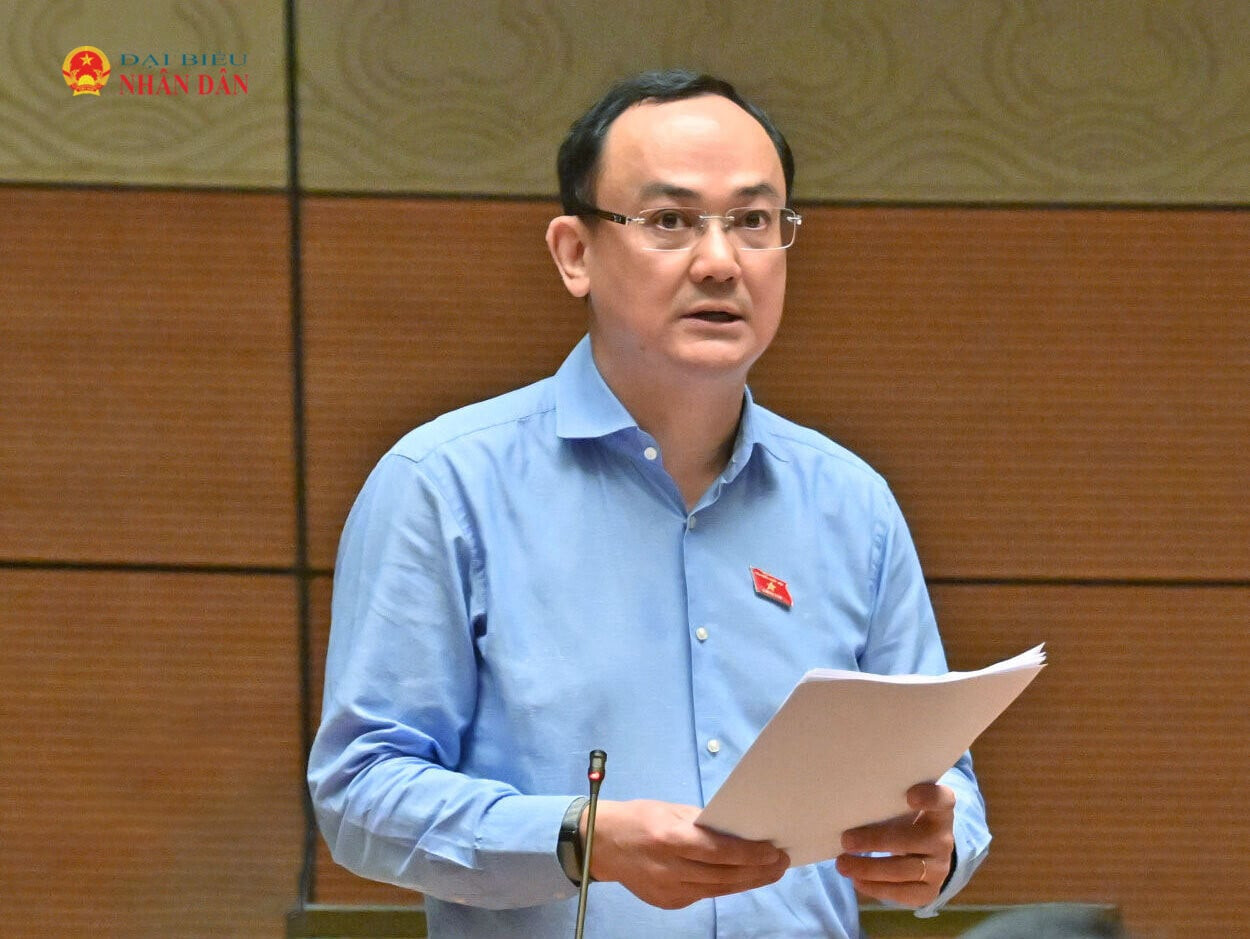
A large-scale project that relies heavily on land, energy, and cheap labor may not necessarily contribute more than a moderately sized project that possesses core technology and forms a business ecosystem. This is especially true for fields like chip design, software, artificial intelligence, and research and development, where the primary asset is knowledge, making it difficult to reach the required capital threshold based solely on fixed assets.
Therefore, delegates proposed that the principle for evaluating capital scale should be based on a combination of technological level, domestic added value, efficiency in resource and energy use, and the degree of project integration.
Also concerned about this issue, National Assembly Deputy Nguyen Van Huy (Hung Yen) proposed stricter regulations on fulfilling commitments to receive special investment incentives. The Deputy agreed with the provision in Clause 4, Article 17, regarding the application of incentives and support based on the results of investors' commitments in technology transfer, research and development, human resource training, supporting domestic enterprises to participate in supply chains, green transformation, and increasing domestic added value.
However, the draft does not clarify what level of commitment fulfillment is considered satisfactory; what happens if only partial fulfillment is achieved, whether the entire incentive will be revoked or only the portion corresponding to the unfulfilled obligation will be reclaimed. According to the delegates, a high-tech project may receive substantial incentives but fail to meet commitments regarding human resource training, technology transfer, and the development of domestic suppliers. If judged solely on disbursed capital and output, the project may still be considered successful, while the spillover benefits may not meet expectations.

Therefore, the delegates proposed adding regulations for evaluating each commitment, the level of completion, and the corresponding responsibilities for handling violations; and entrusting the Government with the authority to regulate the adjustment and revocation of incentives in accordance with the level of violation. This approach avoids being rigid with investors while preventing commitments from becoming mere formalities.
Another requirement raised by delegate Nguyen Van Huy is the need for specific criteria to evaluate the actual effectiveness of the project. Clause 4a of Article 45 mentions added value, sustainability, and spillover effects, but it does not specify concrete evaluation indicators.
The delegates proposed that the Government issue a set of criteria for each industry and sector, focusing on domestic added value, research and development, technology transfer, human resource quality, business linkages, and resource efficiency. The evaluation results should serve as the basis for considering the continued application or adjustment of incentives under Article 17.
From attracting capital to creating a ripple effect
Beyond simply controlling the conditions for preferential treatment, delegate Nguyen Ngoc Son emphasized that attracting large corporations is only the first step towards success. Long-term success lies in Vietnamese businesses truly participating in the value chains of these corporations. According to the delegate, if only capital, factories, and labor are attracted, while technology, design, core components, and the majority of added value remain outside the domestic economy , the spillover effects will be very limited.

The draft includes provisions encouraging FDI enterprises to disclose their procurement needs, technical standards, and localization roadmap. However, according to the delegates, disclosing this information is only the first step; the decisive factor is the capacity of domestic enterprises to meet those needs.
Regarding the mechanism for selecting domestic enterprises to receive capacity-building support, delegates proposed publicly disclosing the beneficiary enterprises, the content of the support, and the corresponding costs. Simultaneously, they suggested the participation of industry associations and prioritizing small and medium-sized enterprises with potential. This aims to avoid a situation where policies only benefit a select few enterprises that already have relationships with large investors.
Another issue is that the policy supporting the cost of creating fixed assets from reinvested profits currently only applies to FDI enterprises. Meanwhile, domestic enterprises also have to choose between profit sharing and reinvestment. Therefore, Representative Nguyen Ngoc Son proposed applying the policy equally to all enterprises eligible for special incentives to use after-tax profits for reinvestment.
To enhance the capacity of domestic businesses, delegate Nguyen Van Huy suggested that the draft should more clearly define the responsibility for connecting and supporting the upgrading of domestic suppliers' capabilities, and evaluating the results of the linkages after the project becomes operational.

In reality, domestic businesses may have the production capacity but lack access to information about the purchasing needs, technical standards, inspection procedures, or supplier selection plans of FDI enterprises. Therefore, the representative proposed adding regulations to encourage the disclosure of purchasing needs, support the enhancement of domestic supplier capacity, and define the results of linkages as verifiable indicators.
From a different perspective, National Assembly Deputy Tran Kim Kha (Gia Lai) suggested that investment attraction should be oriented towards the actual advantages of each locality, rather than primarily relying on administrative levels. Accordingly, it is necessary to ensure that localities with advantages in renewable energy, land resources, and natural conditions are not restricted in attracting high-tech projects, strategic technologies, renewable energy, and data centers...