

Prioritizing children's safety is the primary criterion in adoption procedures
During the discussion on the draft Law on Adoption (amended) on the afternoon of November 2nd, National Assembly Deputy Vu Tien Dung (Thanh Hoa) proposed improving the conditions for adoption by prioritizing the safety and best interests of children; and researching restrictions on the right to adopt for individuals who have been previously punished for domestic violence or child abuse, based on a specific assessment of each case.
Ensuring a mechanism for exercising the right to know the origin of goods
After studying the draft Law and the Report on the acceptance and explanation following the group discussion, National Assembly Deputy Vu Tien Dung basically agreed on the necessity of comprehensively amending the Law to improve the legal basis for adoption, better ensuring the legitimate rights and interests of children.
According to the delegates, the core value of the Law is not only to improve legal procedures but, more importantly, to create opportunities for every child to live in a safe, loving, and well-cared-for family and to develop comprehensively. Therefore, the best interests of children should be the guiding principle throughout all regulations, while ensuring a harmonious balance of the legitimate rights and interests of all relevant parties.
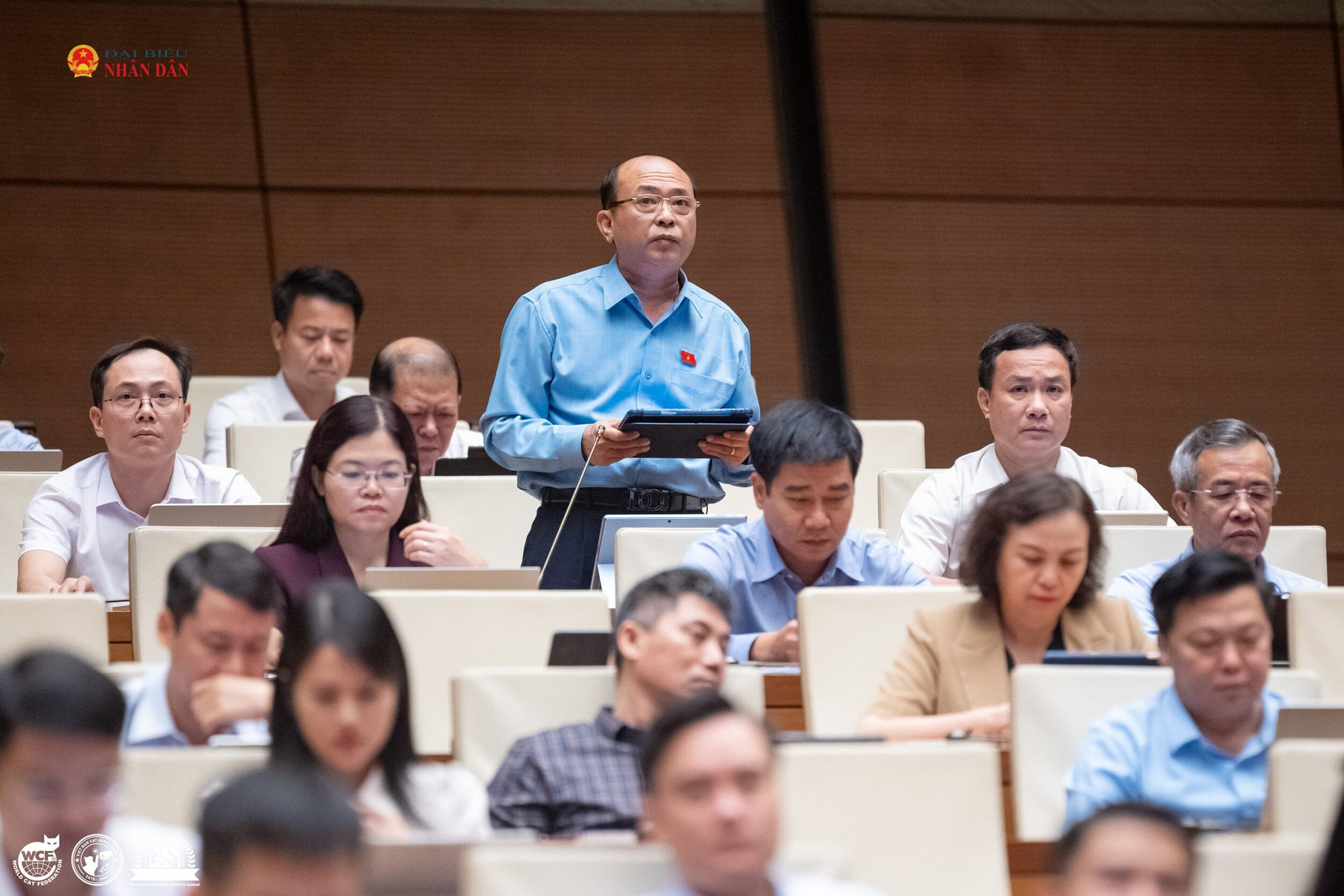
Commenting on the right to know one's origins and digital transformation in Articles 7 and 8, delegates agreed that the draft Law recognizes the right to know the origins of adopted children. However, this right will only be truly meaningful when guaranteed by a specific and feasible implementation mechanism.
Delegates proposed clearly defining the responsibilities of competent authorities in collecting, storing, securing, and providing information on the origins of adopted children; and establishing a plan for handling old records that are missing, lost, or damaged. They also requested that the Government specify the procedures for both domestic and international adoptions.
Providing information should be based on the age, maturity level, and cognitive ability of the child being adopted; ensuring a balance between the right to know the child's origins and the right to protect the privacy of the biological parents and related parties.
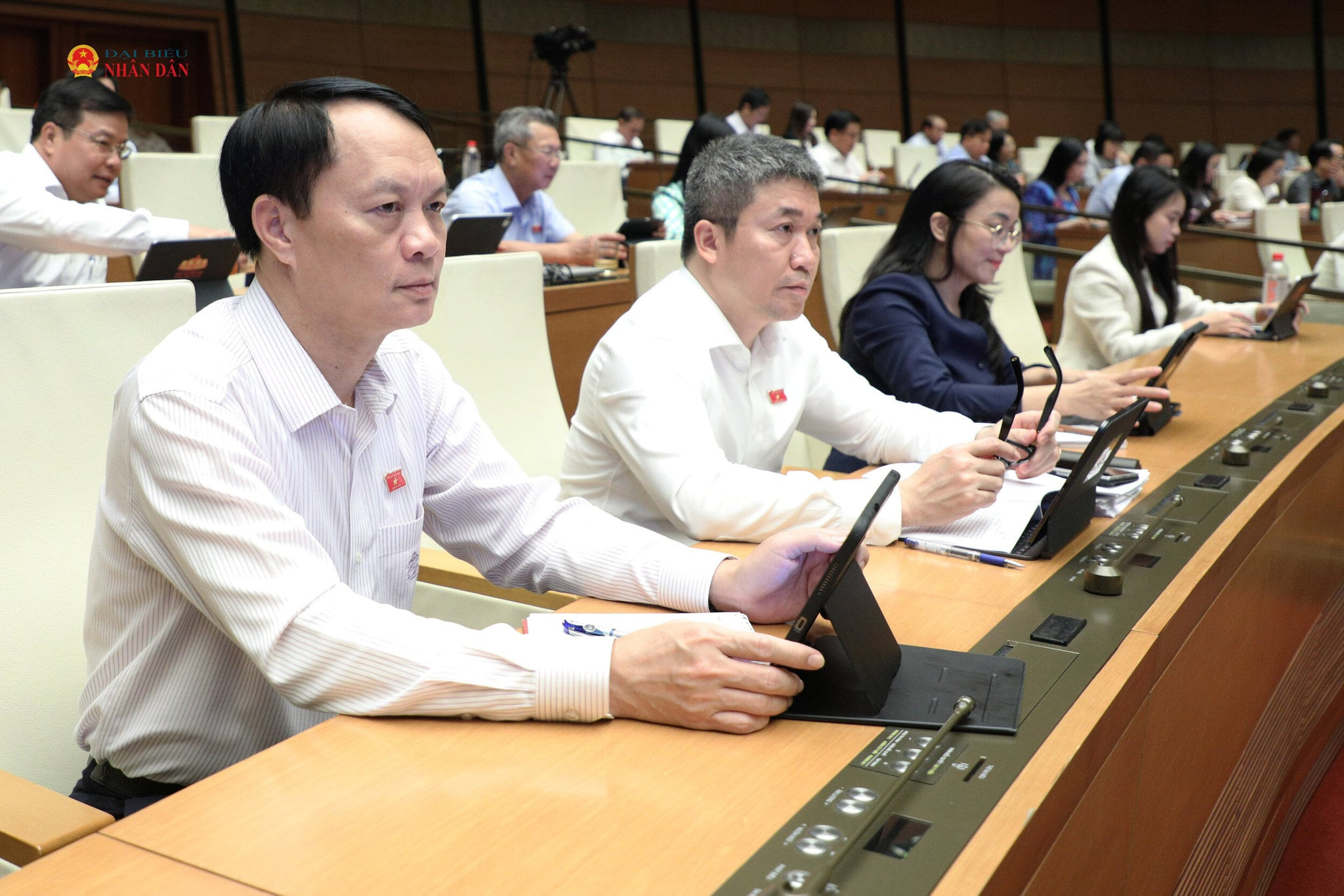
Regarding digital transformation, delegates suggested clarifying the responsibilities for updating, connecting, and sharing data among competent authorities. Information already available in databases and legally accessible should not require citizens to provide it again.
In particular, there needs to be a mechanism to strictly control access and protect personal data, because information about origin and family circumstances is directly related to the privacy, honor, and dignity of children.
Carefully assess the conditions for adoption and clarify the legal consequences
Regarding the conditions for adoptive parents in Article 14, National Assembly Deputy Vu Tien Dung agreed with the addition of the phrase "and currently on probation" after the phrase "convicted of imprisonment but granted a suspended sentence" in point d, clause 4. According to the deputy, this revision contributes to clearly defining the scope of application, ensuring the transparency and consistency of the regulations, and preventing potential risks to the safety of children.
In addition, delegates suggested that the drafting agency should study regulations restricting the right to adopt children for individuals who have been penalized for administrative violations related to domestic violence or child abuse.
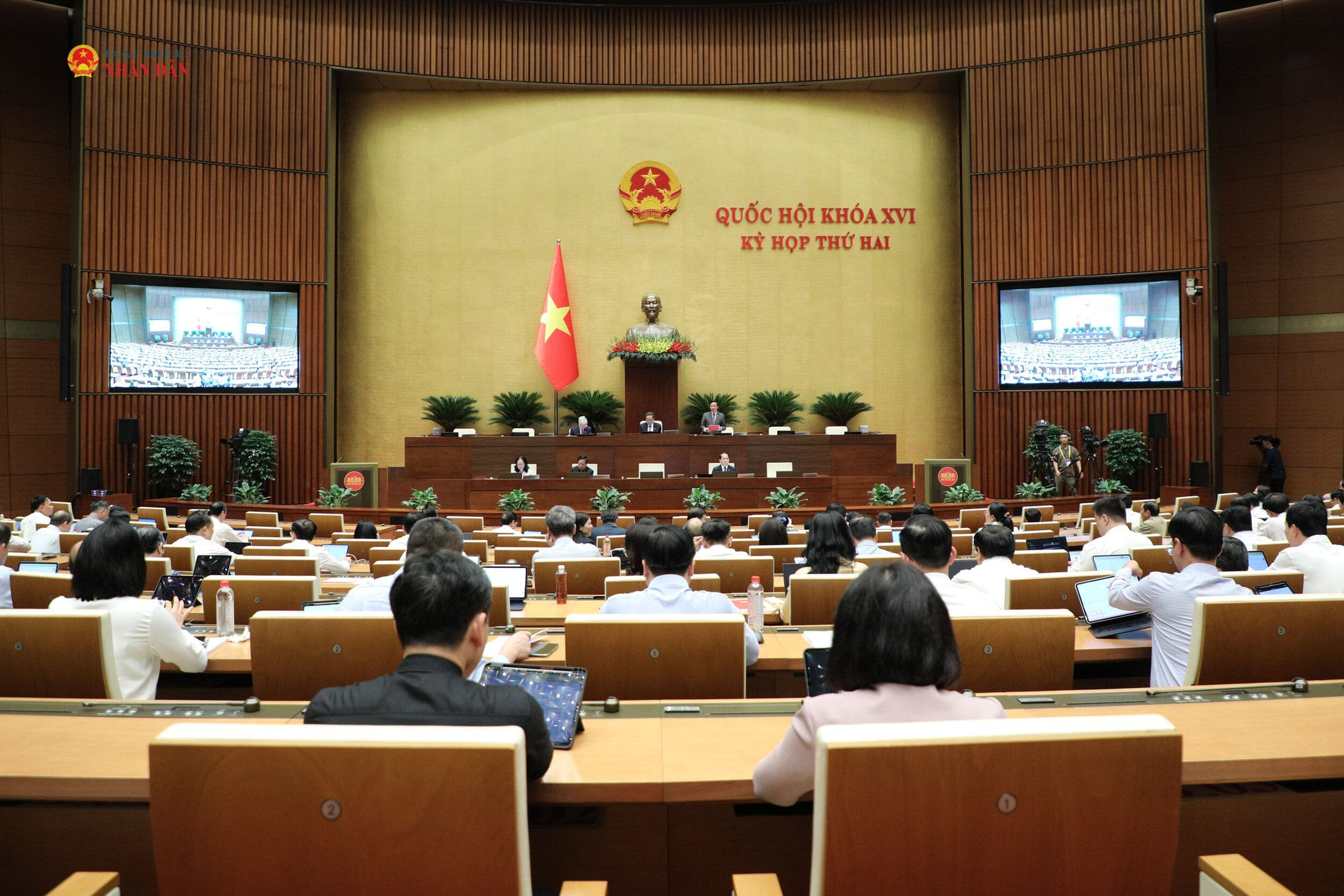
The application of penalties should be based on the nature, extent, and consequences of the violation, the time elapsed, and the risk of recurrence; it should not be applied mechanically to every case that has been previously penalized. At the same time, there needs to be a mechanism to verify information and assess the ability to ensure a safe living environment for children.
Delegates proposed further review and refinement of Article 14, prioritizing the safety and best interests of children; ensuring that adoption conditions are consistent with child protection requirements in alternative care arrangements as stipulated in the Law on Children. Child protection should be a continuous concern before, during, and after the adoption process.
Regarding the legal consequences of adoption under Clause 2, Article 26, Representative Vu Tien Dung proposed further review of regulations concerning the relationship between adoptive parents, adopted children, and biological parents, especially in cases where stepfathers or stepmothers adopt their spouse's children from a previous marriage.
In this case, it is necessary to clarify the consequences for the rights and obligations of the remaining biological father or mother; ensuring consistency and uniformity with the Law on Marriage and Family, especially the provisions on the rights and obligations of the parent who does not directly raise the child after divorce, to avoid different interpretations and applications.
Regarding the issue of terminating inheritance rights between adopted children and biological parents, delegates suggested a thorough assessment of the policy's impact, reviewing and comparing it with the Civil Code. It is necessary to clarify whether the establishment of an adoption relationship constitutes a basis for terminating all legal inheritance rights between adopted children and biological parents. If so, the basis, scope, and conditions of application must be clearly defined, ensuring the legal rights and property of children and avoiding disputes.
Emphasizing the need to refine the draft Law in a child-centered manner, delegates proposed fully translating the principle of ensuring the best interests of children into specific regulations, with implementation mechanisms and clearly defined responsibilities of relevant agencies and organizations. This would create a solid legal framework to protect children, ensuring that every child in need has the opportunity to live in a safe, loving family and develop comprehensively.