

Completely prevent the falsification of documents and profiteering in adoption
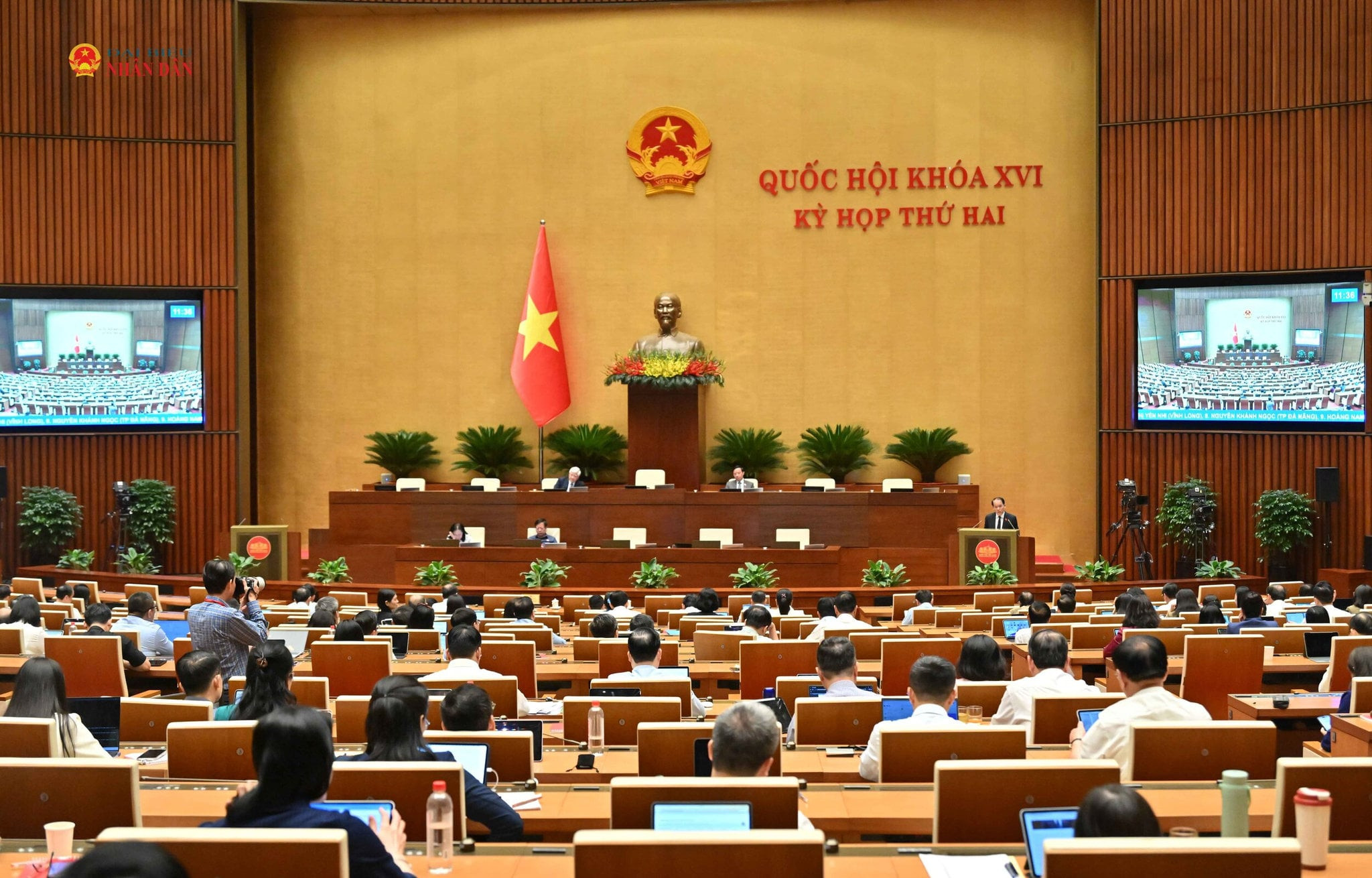
Commenting on the draft Law on Adoption (amended), National Assembly deputies proposed that adoption procedures should be handled through an electronic interconnected mechanism between the civil registration and management agencies, the police, social assistance facilities, and other relevant agencies, based on the exploitation and use of the National Population Database and the VNeID electronic identification and authentication system, in order to thoroughly prevent acts of forgery and profiteering in adoption activities.
Verify the exact eligibility of the prospective adoptive parent
Adoption is meant to provide a safe haven for children; this humane procedure cannot be allowed to become a gateway for the buying, selling, transferring, or abuse of children. Clearly stating this viewpoint, National Assembly Deputy Nguyen Vu Trung ( Ho Chi Minh City) highly appreciated the draft law for adding relevant regulations. Regarding prohibited behaviors, verifying abandoned children, and protecting children when an adoption decision is revoked.

However, given that this area directly relates to the physical well-being, identity, and future of children, Representative Nguyen Vu Trung suggested that additional mechanisms should be designed to detect risks before children are handed over, taken out of their residence, or fall into the hands of those with illegal intentions.The representative emphasized that it should not be assumed that every adoption case carries a risk of exploitation. However, the law must anticipate the worst-case scenario, because the consequences for a child may be irreversible.
Accordingly, at Article 4 of the draft Law on the principles of resolving adoption cases states "in the best interests," but does not require a specific assessment file for each case. Therefore, the representative proposed clearly stating in the law the obligation to "prepare a report assessing the child and a care plan." The minimum requirements include: the child's circumstances, needs, and opinions; verified relatives; support provided to the original family; alternative care options considered; reasons why each option was unsuitable; and the basis for the adoption decision.
Article 23, regarding the annulment and revocation of adoption decisions, stipulates that when violations are discovered, the child must be immediately protected, but without leaving a gap in care. The child needs a safe place to live, a caregiver, psychological support, and an independent review mechanism; the child cannot bear the consequences of the actions of adults or the mistakes of the agency handling the case.
The representative stated that these requirements are not intended to create additional paperwork for every family. These are checkpoints implemented by state agencies, focusing on cases with potential risks; available electronic records and data should be utilized, and people should not be forced to resubmit documents.
“A set of documents can be forged; a decision can be exploited. But if the law mandates independent verification, identification of irregularities, and timely intervention, we can prevent risks before children are harmed. That should be the standard of the amended Adoption Law,” the representative emphasized.
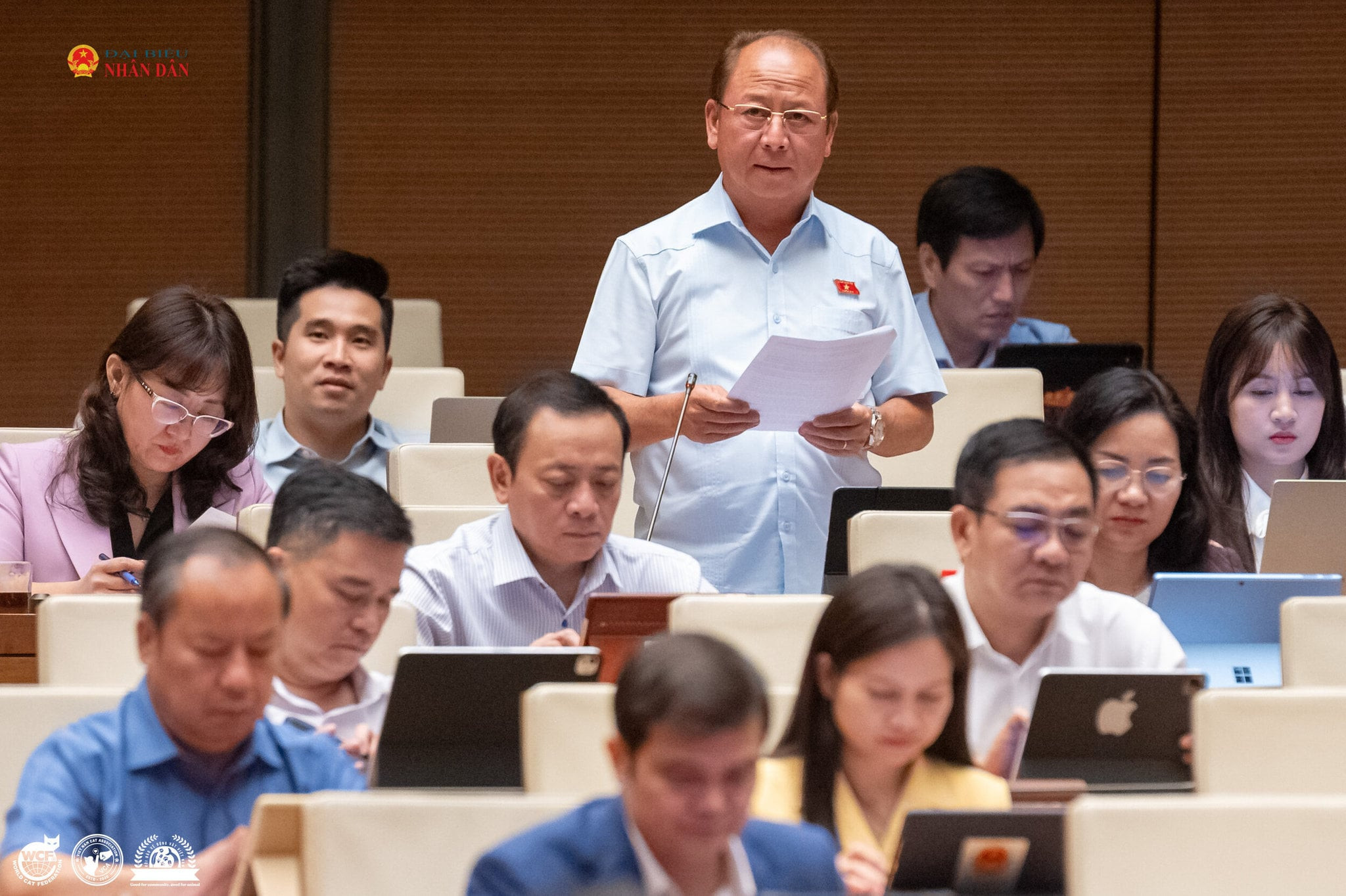
National Assembly Deputy Sung A Lenh (Lao Cai) proposed that the drafting agency add to Article 9 a provision stating: "The procedures for adoption must be carried out through an electronic interconnection mechanism between the civil registration and management agency, the police agency, social assistance facilities, and other relevant agencies, based on the exploitation and use of the National Population Database and the VNeID electronic identification and authentication system to verify the identity and conditions of the parties in accordance with the law.
"Delegates emphasized that specific regulations on electronic data exchange will contribute to institutionalizing the national digital transformation policy, building a digital government, and minimizing cumbersome paperwork for citizens. Clear regulations on electronic data exchange and VNeID identification will create a solid legal framework for the full-process online public service deployment, helping state agencies accurately verify the identity, residence, and conditions of adoptive parents in a transparent and timely manner; while also thoroughly preventing forgery and profiteering in adoption activities.
The issue of inheritance between adopted children and biological parents is clear
Concerned about the legal consequences of adoption, National Assembly Deputy Le Thi Ngoc Linh ( Ca Mau ) requested that the drafting agency clarify the issue of inheritance rights between adopted children and their biological parents after the adoption is established.
According to Articles 651 and 653 of the 2015 Civil Code, inheritance relationships between adopted children, adoptive parents, and biological parents need to be considered in relation to the provisions on legal heirs. Meanwhile, Clause 2 of Article 26 of the draft Law stipulates the termination of certain rights and obligations between biological parents and adopted children, but does not clarify the consequences for inheritance rights. This could lead to different interpretations and applications in practice, especially when dealing with the distribution of inheritance.
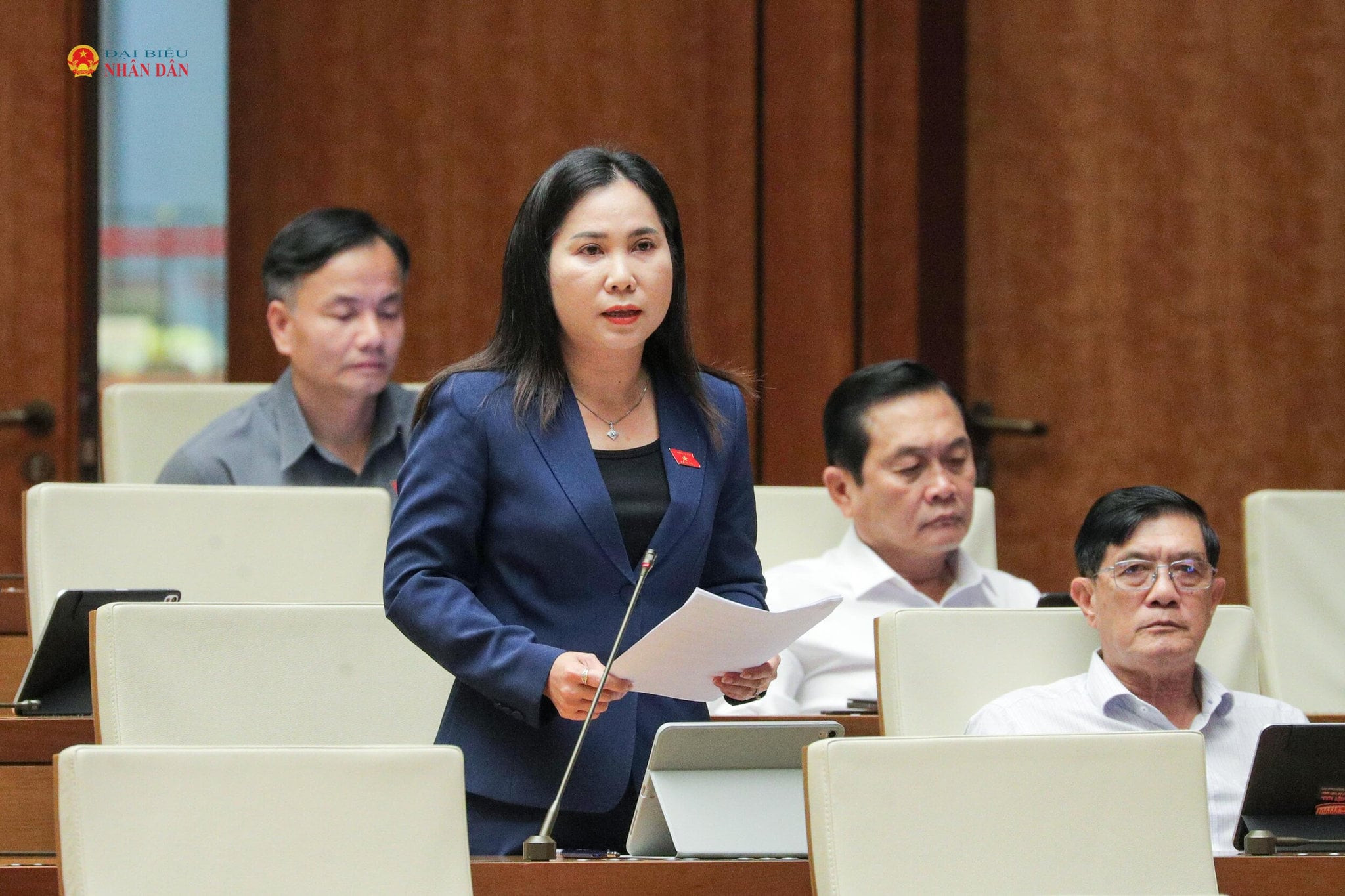
The delegates suggested that the drafting agency should clearly define the legal consequences of inheritance corresponding to each form of adoption. Specifically, for adoptions aimed at establishing a full adoptive parent-child relationship, it is necessary to clarify the termination of inheritance relations with the original family.
In cases of adoption within the same family while maintaining a relationship with the original family, appropriate mechanisms to ensure inheritance rights should be considered, avoiding any impact on the legitimate rights and interests of the children and related family members.
At the same time, it is suggested that the drafting agency review and ensure consistency between the Law on Adoption and the Civil Code and other relevant legal provisions; clearly define the time when legal consequences arise, the scope of inheritance rights that are maintained or terminated, and how to handle cases where a person has multiple grounds for inheriting the same estate. This will ensure clear and feasible regulations, minimize disputes, and best protect the legitimate rights and interests of children.
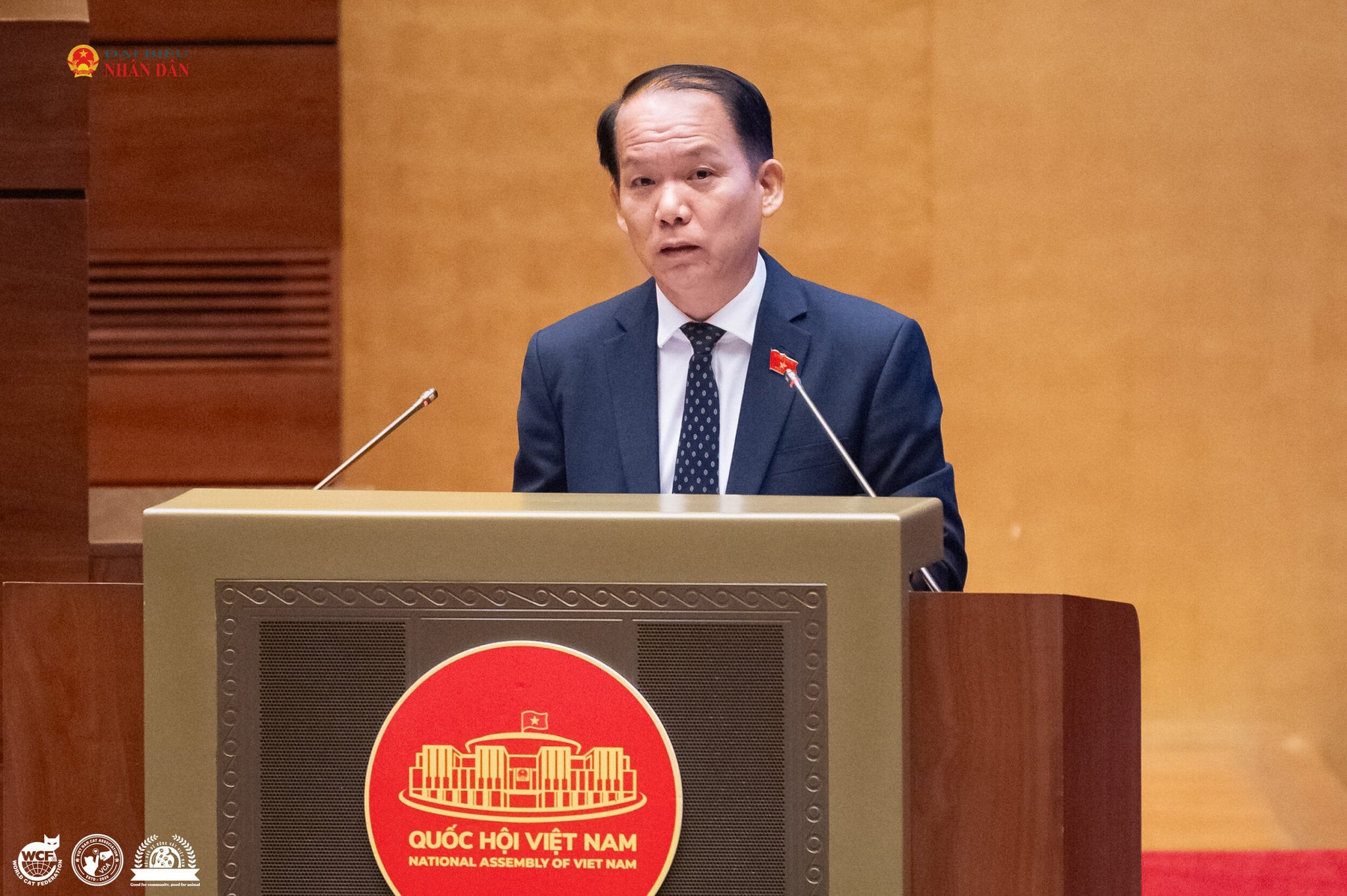
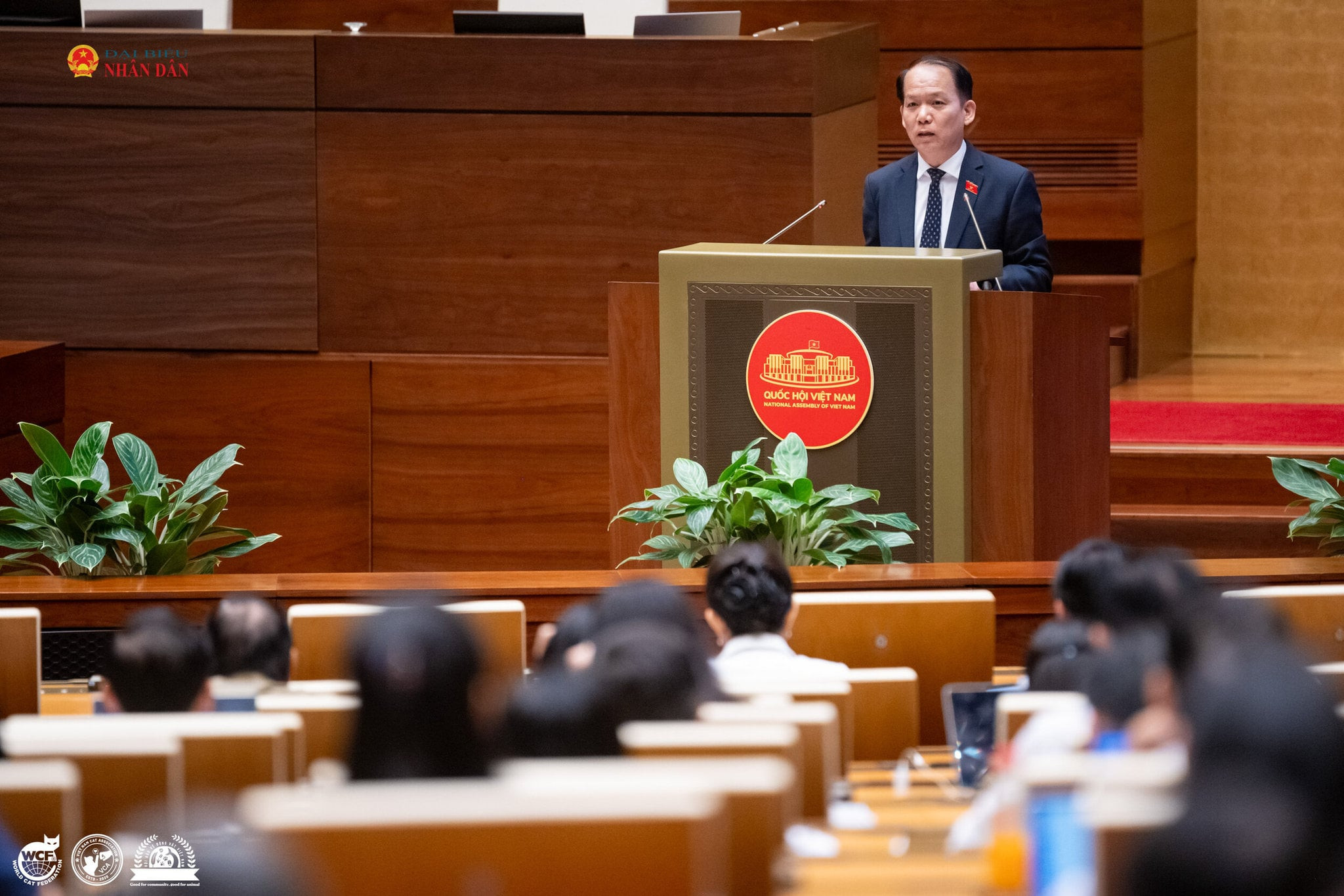
In explaining this issue, Minister of Justice Hoang Thanh Tung clarified that, regarding the legal consequences of adoption, including inheritance rights, Clause 2 of Article 26 of the draft Law does not exclude the right of adopted children to inherit the estate of their biological parents.
The Minister emphasized that this regulation is implemented in accordance with the Civil Code and is very stable; it is also a very unique tradition of our country. We are not rigidly stating that the regulation terminates the inheritance rights of biological parents over adopted children once they have been adopted, but rather maintains those inheritance rights. The Minister said that further research will be conducted to clarify this in the draft Law.