

Maximizing investment efficiency across 3 expressways
Expressing support for the proposed investment in three expressway projects in economically disadvantaged localities, National Assembly deputies called for greater clarity on funding arrangements, seamless transport connectivity and comprehensive calculations of operating and maintenance costs to ensure the projects deliver their intended benefits.
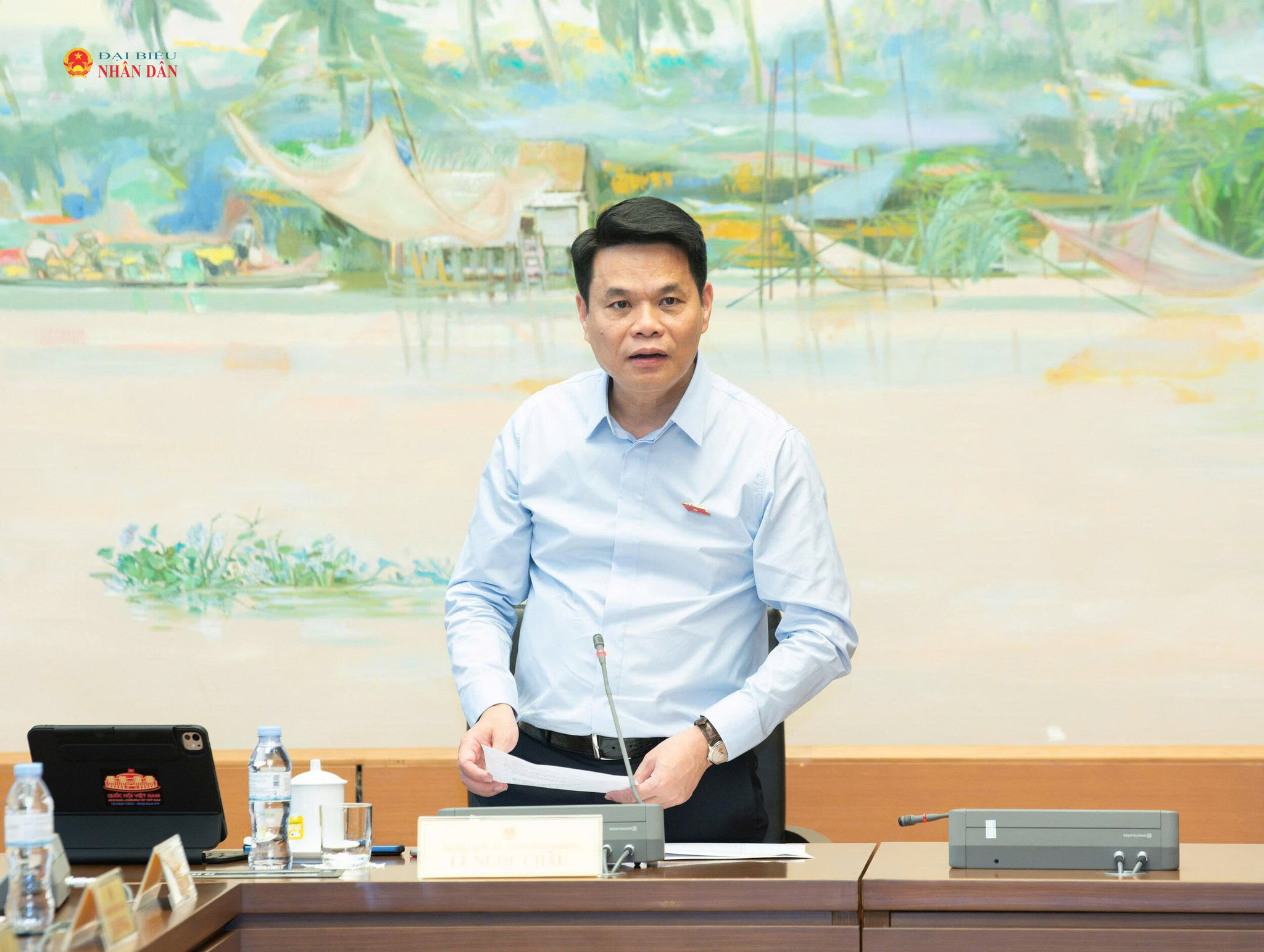
Late in the morning of November 7, Discussion Group 3, comprising National Assembly delegations from Hai Phong City and the provinces of Lang Son and Ha Tinh, discussed the investment policy for three expressway projects: the Moc Chau–Son La–Dien Bien expressway (the section passing through Son La Province), the Bao Ha–Lai Chau expressway (the Bao Ha–Tan Phong section), and the Quang Ngai–Kon Tum expressway.
According to the Government's submission, the three expressways have a combined length of approximately 430km, with a preliminary total investment of VND162.4 trillion. All three are designed as four-lane expressways, with design speeds ranging from 80 to 120km/h. Their proposed alignments are consistent with approved plans while seeking to minimize route length and the scale of land clearance.
"I agree with the necessity of investing in all three projects and the use of public investment as the investment model," said National Assembly deputy Nguyen Ngoc Son (Hai Phong), while urging the Government to clarify several issues to ensure efficient use of public funds and the feasibility of project implementation.
Ensuring seamless connectivity to maximize investment efficiency
According to deputy Nguyen Ngoc Son, the expressways are expected to significantly shorten travel times, facilitate trade and stimulate economic development. For example, travel time from Hanoi to Son La is projected to fall from six to seven hours to approximately three to three and a half hours, while the journey from Quang Ngai to Kon Tum is expected to decrease from 4.5 hours to around 1.5 hours.
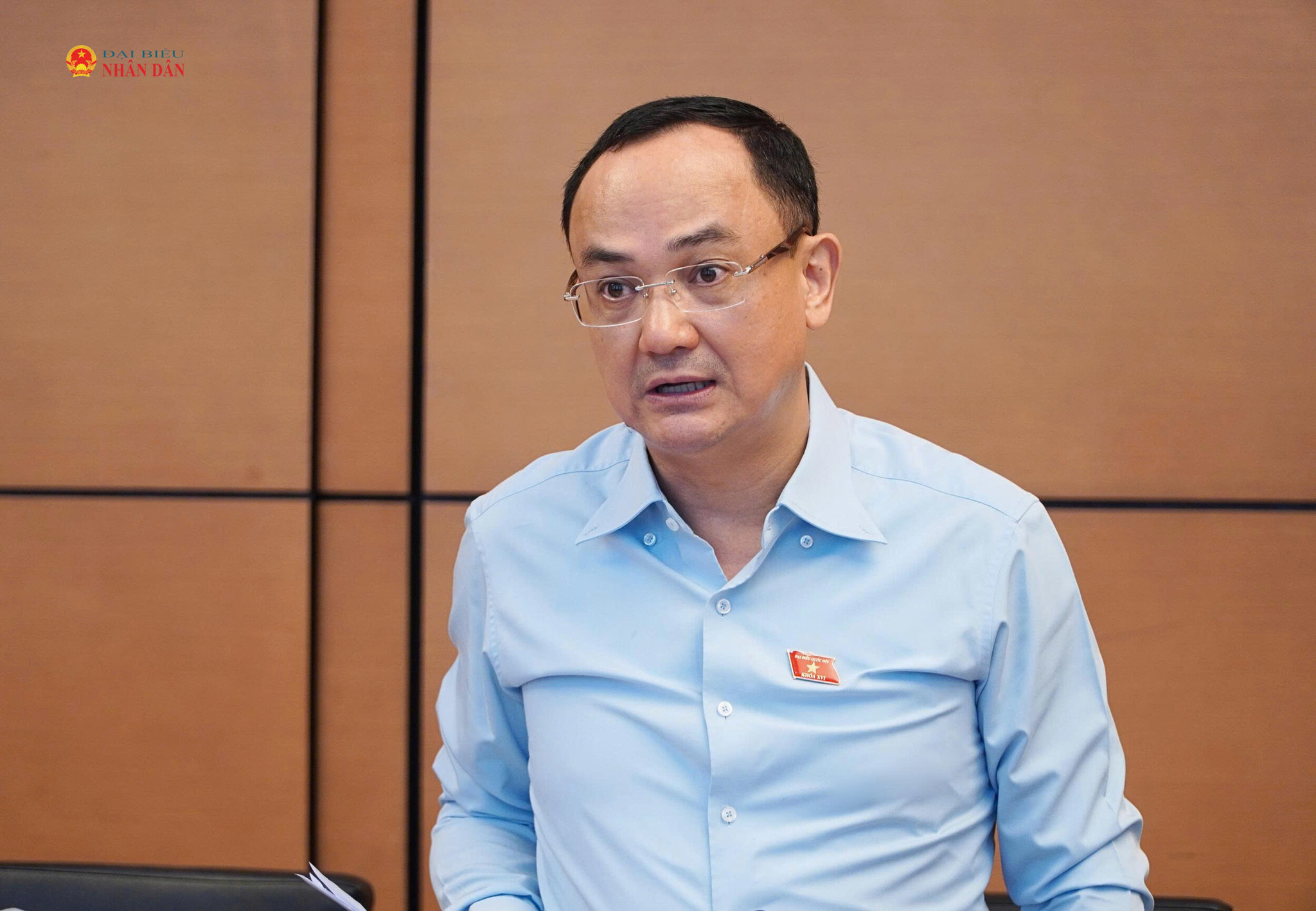
However, some routes are not yet scheduled to extend to their planned endpoints. The Bao Ha–Lai Chau expressway is currently planned to terminate at Tan Phong, rather than extending to the Ma Lu Thang border gate. Meanwhile, the Quang Ngai–Kon Tum expressway would end at the Ho Chi Minh Road, without connecting to the western North–South Expressway.
The deputy called for clarification of the investment roadmap for the remaining sections, alongside a cautious assessment of economic returns, particularly the benefits expected from border-gate trade and logistics activities.
"When calculating the economic benefits from border-gate trade and logistics, it is necessary to distinguish between benefits that will only materialize once the entire route is connected and those available beforehand. This would prevent the premature inclusion of benefits from sections that have not yet been approved for investment," Nguyen Ngoc Son proposed.
Also emphasizing the need for an integrated transport network, National Assembly deputy Tran Lan Phuong (Hai Phong) called on the Government to consider including the remaining four kilometers of the Quang Ngai–Kon Tum expressway in the current investment scope.
According to Tran Lan Phuong, the expressway is planned to span 136km, but the current proposal covers only 132km. Although relatively short, the remaining section passes through the Dak Ha area, which has considerable potential for developing key agricultural products such as coffee, durian and passion fruit.
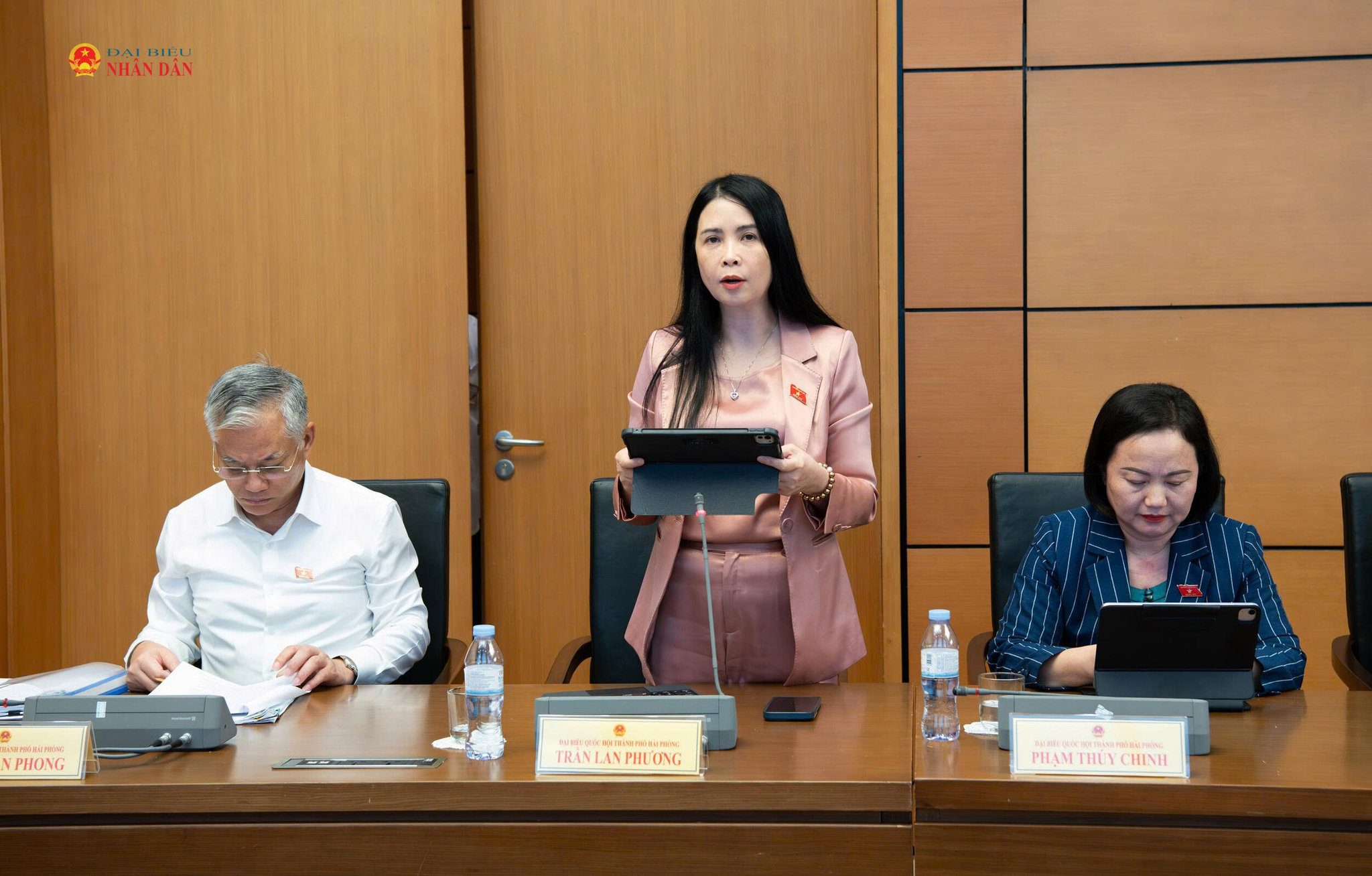
Investing in this section as part of an integrated project would help connect production areas with processing, consumption and export centers, thereby expanding the region's economic development space. In particular, given the local authorities' commitment to investing in connecting roads, completing the expressway from the outset would help maximize the effectiveness of public investment and avoid the need for additional spending later.
"We should not assess the project solely on the length of the road section or its immediate investment costs. Instead, we need to take full account of the socio-economic benefits and the broader development opportunities that the project can generate," Tran Lan Phuong stressed.
From the perspective of maximizing investment efficiency, Nguyen Ngoc Son also proposed adding the list of key connecting roads in Lai Chau and Quang Ngai, together with their corresponding funding sources.
According to the deputy, building expressways without adequate connecting roads would limit their ability to attract investment and drive local economic development.